The Ribbon on Women’s Undergarments: Uncovering Its Hidden History
Often overshadowed by other aspects of fashion, the ribbon on women’s undergarments has captivated many. While we might not always think deeply about our underclothes, the delicate ribbon that often adorns the front of these garments has intrigued people worldwide. This article delves into the origins and significance of this decorative detail, unveiling a rich history tied to a bygone era.
The Role of the Ribbon
The ribbon on women’s undergarments is more than just a decorative touch; it has a practical legacy dating back centuries, particularly from a time before stretchable fabrics were invented. Historical evidence shows that this ribbon served a functional purpose beyond its aesthetic appeal.
A Glimpse Into the Pre-Elastic Era

Before the advent of elastic materials, drawstring ribbons were used to keep undergarments from slipping. These ribbons were threaded through lace eyelets at the waistband, ensuring that the garments stayed in place. This practical solution highlights the ingenuity of past eras in dealing with garment support.
The Symbolism of the Ribbon

Today, the ribbon on undergarments is often associated with charm, femininity, and a touch of innocence. Online discussions, like those on Reddit, often praise the ribbon for its “adorable” and “feminine” appeal. Additionally, the ribbon’s placement at the front of the garment serves a practical function: it helps in identifying the front of the garment quickly, especially when dressing in low-light conditions. This blend of form and function contributes to the ribbon’s lasting appeal.
The Evolution of Women’s Undergarments
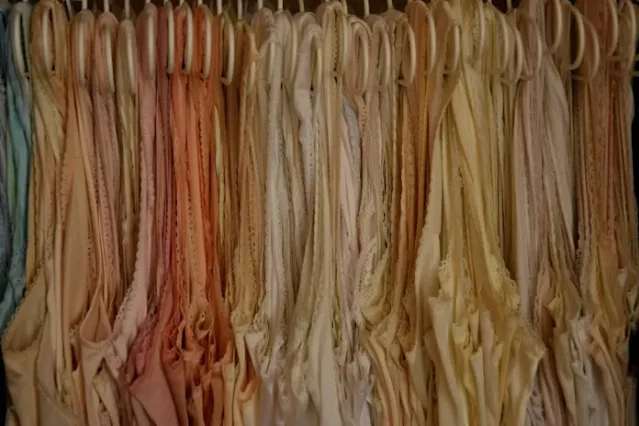
To truly appreciate the ribbon’s significance, we must look at the evolution of women’s underclothes. Evidence of historical undergarments is often scarce due to their delicate nature, but artwork, literature, and preserved garments provide insights. Before the 15th century, women’s attire typically included slips, chemises, and sometimes stays.
The 19th Century Transformation
The 1800s marked a period of transformation, as plain drawers evolved into more elaborate pieces adorned with lace and trimmings. This era also saw the introduction of pantalettes, which retained the drawstring ribbon even as elastic began to gain popularity.
Fashion Trends and the Ribbon
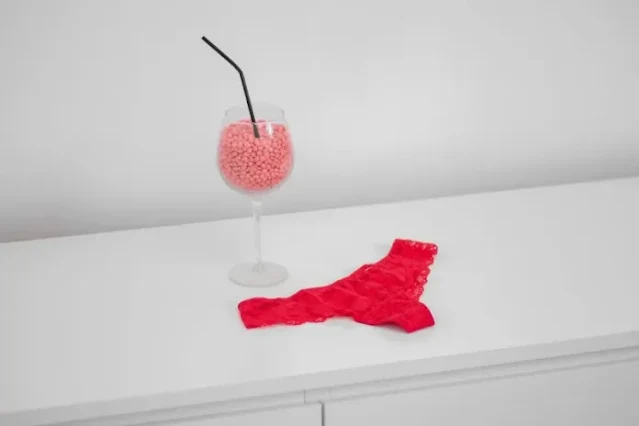
As fashion trends evolved, the drawstring ribbon transitioned from a practical necessity to a fashionable detail. Though its original purpose of preventing slippage is no longer relevant, the ribbon’s aesthetic charm continues to captivate both wearers and designers. Its continued presence in women’s undergarments reflects its enduring allure and sophistication.
A Symbol of Femininity

The ribbon on undergarments represents a blend of utility and style. Its origins in a time before elastic fabrics evoke a nostalgic sentiment for inventive solutions, while its current role adds a touch of grace and femininity.
The Lasting Appeal
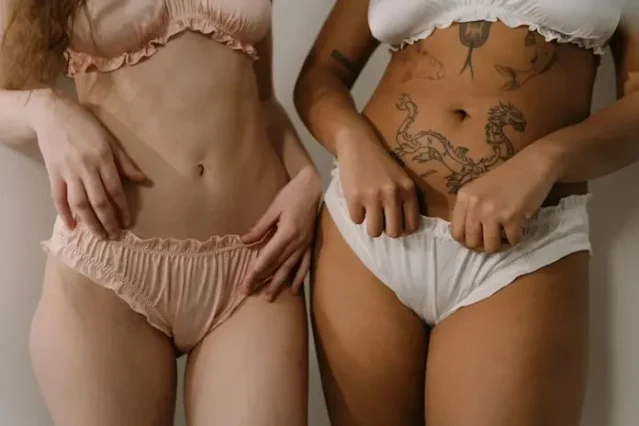
While historical records may not capture every detail, the ribbon’s enduring presence speaks volumes about its significance and charm. Next time you notice a ribbon on women’s undergarments, remember the rich history it represents and the delicate blend of practicality and elegance it embodies.
Feel free to share this article with others who might appreciate its historical context!
This ‘Angelic’ Child Star Stayed under the Radar — He Looks ‘Unrecognizable’ & Grew Beard to Hide from the Public

Haley Joel Osment: The Journey from Adolescent Star to Skilled Performer
Once a cherished child star, Haley Joel Osment has changed dramatically over the years. Osment’s path in Hollywood has been remarkable, spanning from his early days as a cherubic-faced actor to his current distinguished image.

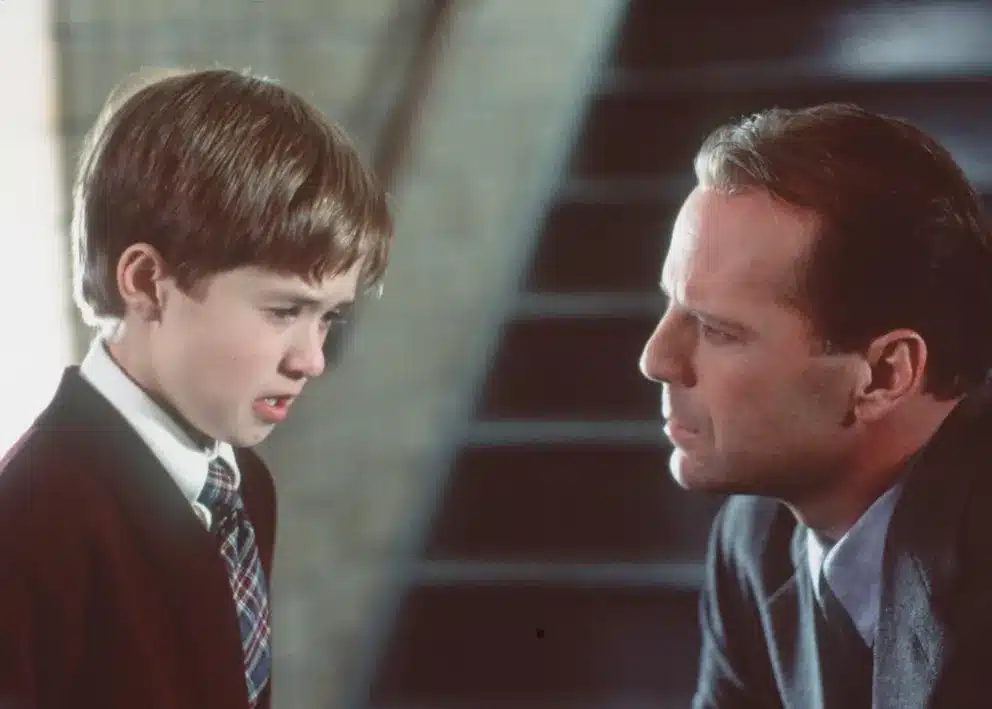

Haley Joel Osment: The Journey from Adolescent Star to Skilled Performer
Once a cherished child star, Haley Joel Osment has changed dramatically over the years. Osment’s path in Hollywood has been remarkable, spanning from his early days as a cherubic-faced actor to his current distinguished image.

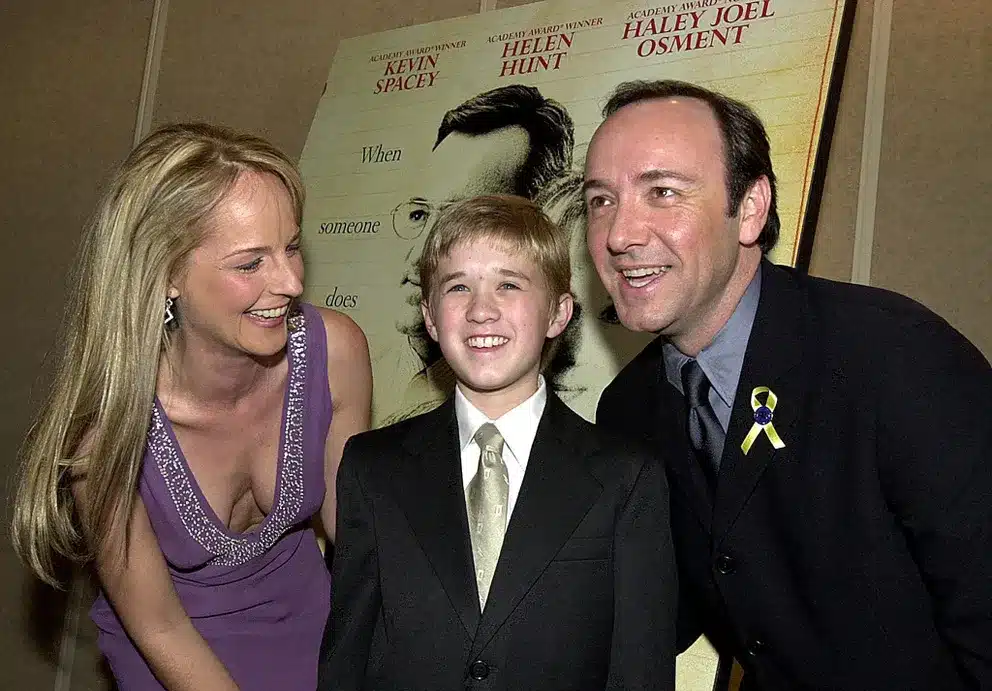
Early Years: 1994–1997
Despite his youth, Osment demonstrated a great ability to portray intense emotions in the early years of his profession. Critics and fans praised him for his captivating performances, which combined a cherubic countenance and boyish innocence to attract viewers.

The Turning Point: 1999
With the publication of “The Sixth Sense,” in 1999, Osment’s career underwent a dramatic shift. He became internationally famous and received critical acclaim for his portrayal of a disturbed young child in the movie, making him one of Hollywood’s brightest young stars.
2000s: The Shift to Adulthood
Osment’s roles and appearance started to change as he grew older and more mature. As a nominee, he went to the Academy Awards and kept taking on difficult parts that revealed his range as an actor.

Difficulties and Development: 2006–2012
Osment had difficulties in the middle of the 2000s, including a well-known incident involving drunk driving. But he saw this time as a chance for personal development, and he eventually returned to the public eye with a fresh appreciation for his work.




Current Time: 2024
Osment is still very successful in the entertainment business today, having starred in movies and television shows that showcase his range as an actor. With a neat beard and an adult manner, he is still well-liked for his life-changing performances and commitment to his work.


From his early years as a young prodigy to his present position as an accomplished actor, Haley Joel Osment’s path in Hollywood has been marked by development, change, and resiliency. His continuing talent and presence in the industry serve as a monument to his incredible career, which is still evolving as an actor and a person.



Leave a Reply